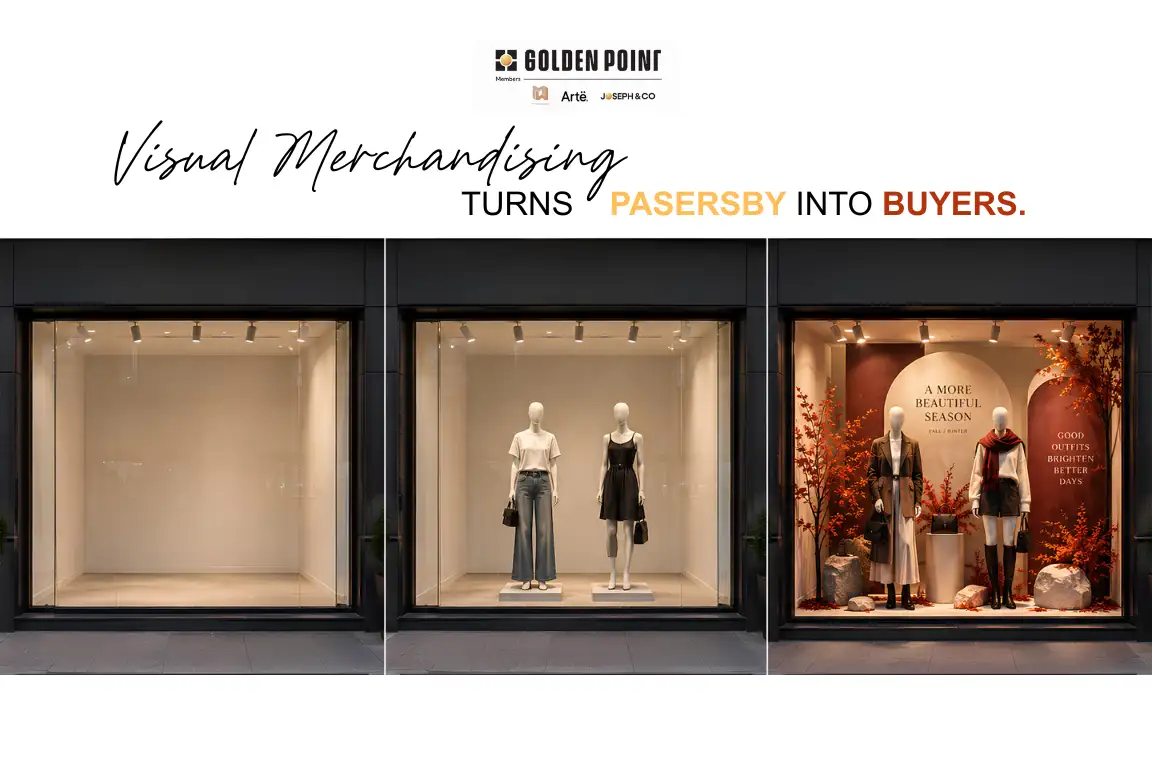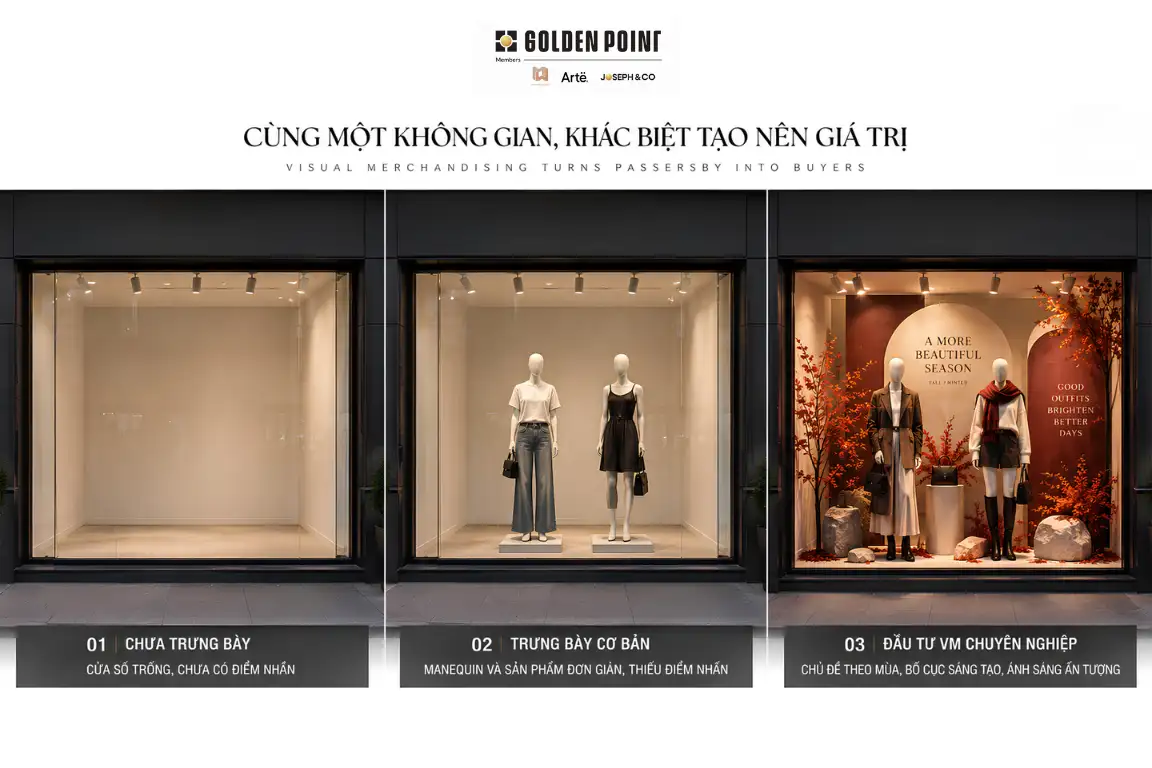
If you’ve walked past boutiques like Dior, Louis Vuitton, Tiffany, or Van Cleef & Arpels more than once a year, you’ve probably noticed that their window displays rarely stay the same for long. Within just a few weeks, the concept, colors, props, and lighting are completely transformed. At first glance, this may seem excessive. Why replace a display that still looks perfectly good? The answer is simple: luxury brands are not replacing a window—they are refreshing a business strategy.
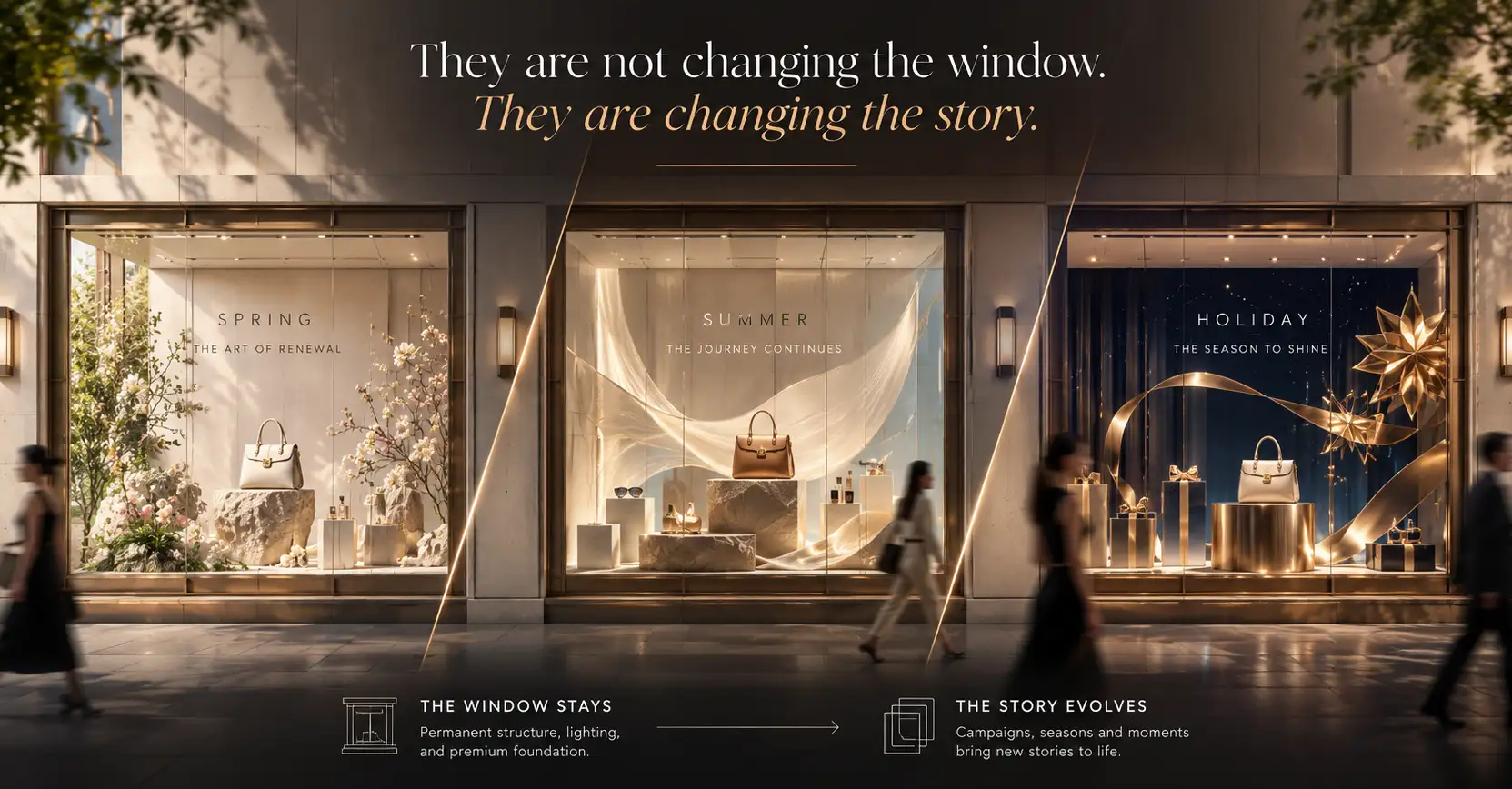
They are not changing the window. They are changing the story.
Luxury products often remain in a collection for years, but the story surrounding those products evolves continuously. Every campaign, every season, and every product launch introduces a new narrative, and the storefront window is where that narrative first comes to life. When the story stops changing, customers stop noticing. The window is designed to create curiosity, not familiarity.
Window Display is a marketing asset.
For luxury brands, a window display is far more than decoration. It is one of the brand’s most visible communication channels. Within seconds, it must introduce a new collection, align with global campaigns, express the seasonal mood, and inspire customers to step inside. Long before a customer interacts with a salesperson, the window has already begun shaping their perception of the brand.
What actually changes?
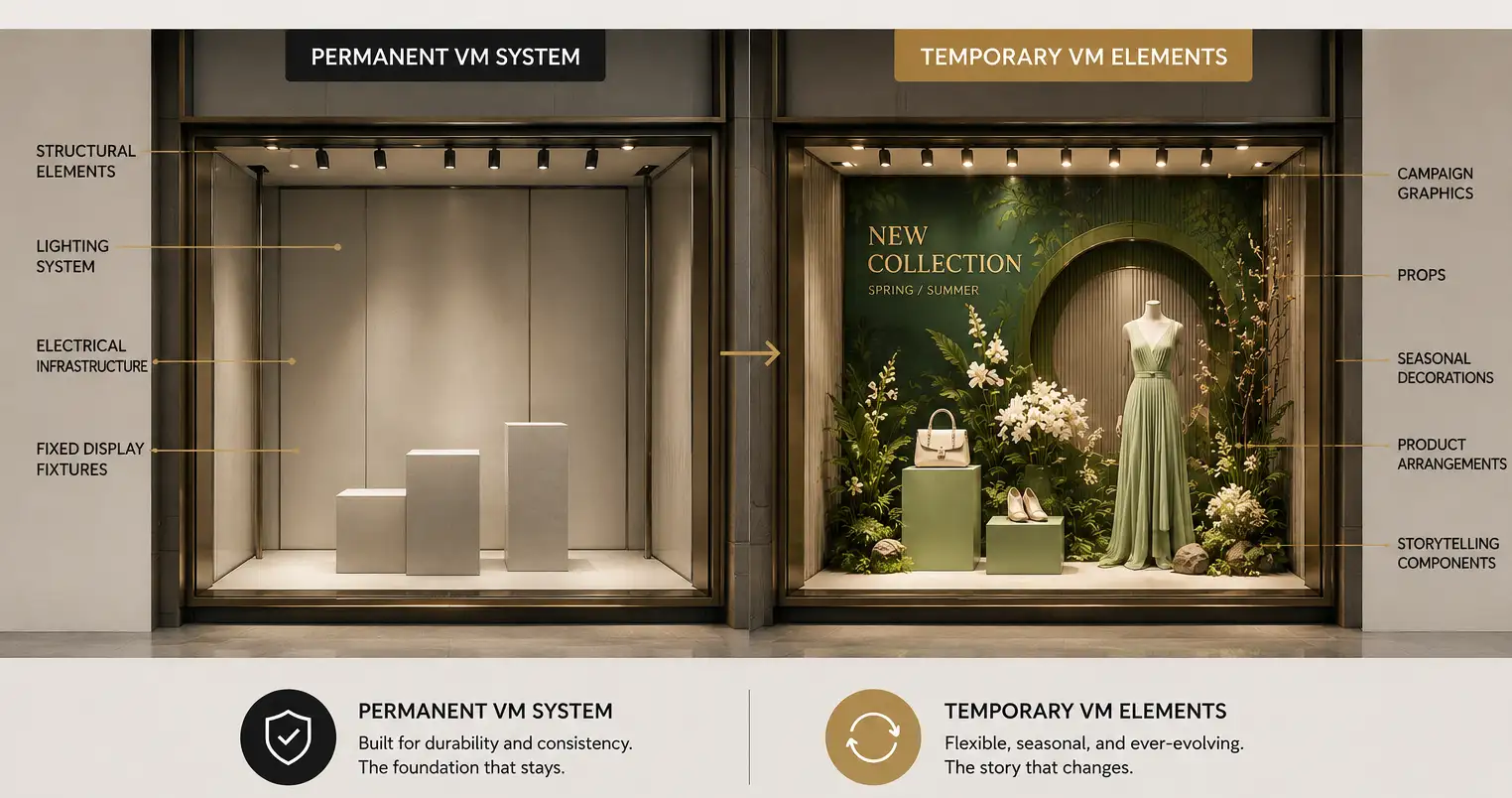
Contrary to popular belief, luxury brands do not rebuild their storefront every few weeks. Most stores are built on a Permanent Visual Merchandising system, including structural elements, lighting, electrical infrastructure, and fixed display fixtures designed to last for years. What changes are the Temporary Visual Merchandising elements—campaign graphics, props, seasonal decorations, product arrangements, and storytelling components. By separating permanent infrastructure from temporary campaign elements, brands can refresh their storefront quickly while maintaining long-term efficiency.
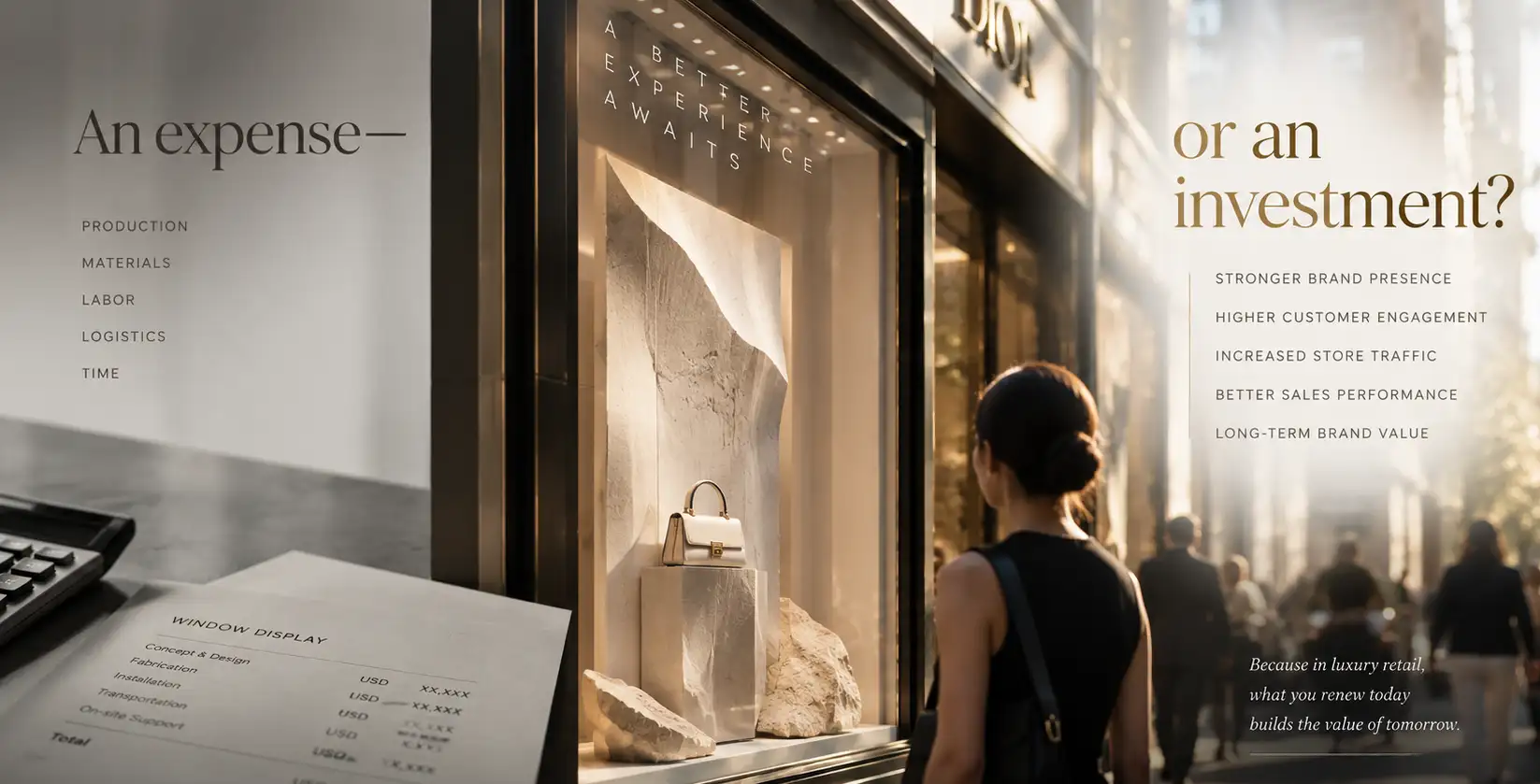
An expense—or an investment?
Every new window display requires investment, but luxury brands rarely see it as a decoration budget. Instead, they consider it an investment in customer engagement, brand relevance, campaign consistency, and retail performance. In luxury retail, an outdated storefront can cost far more than the price of replacing it.
When Visual Merchandising is done right.
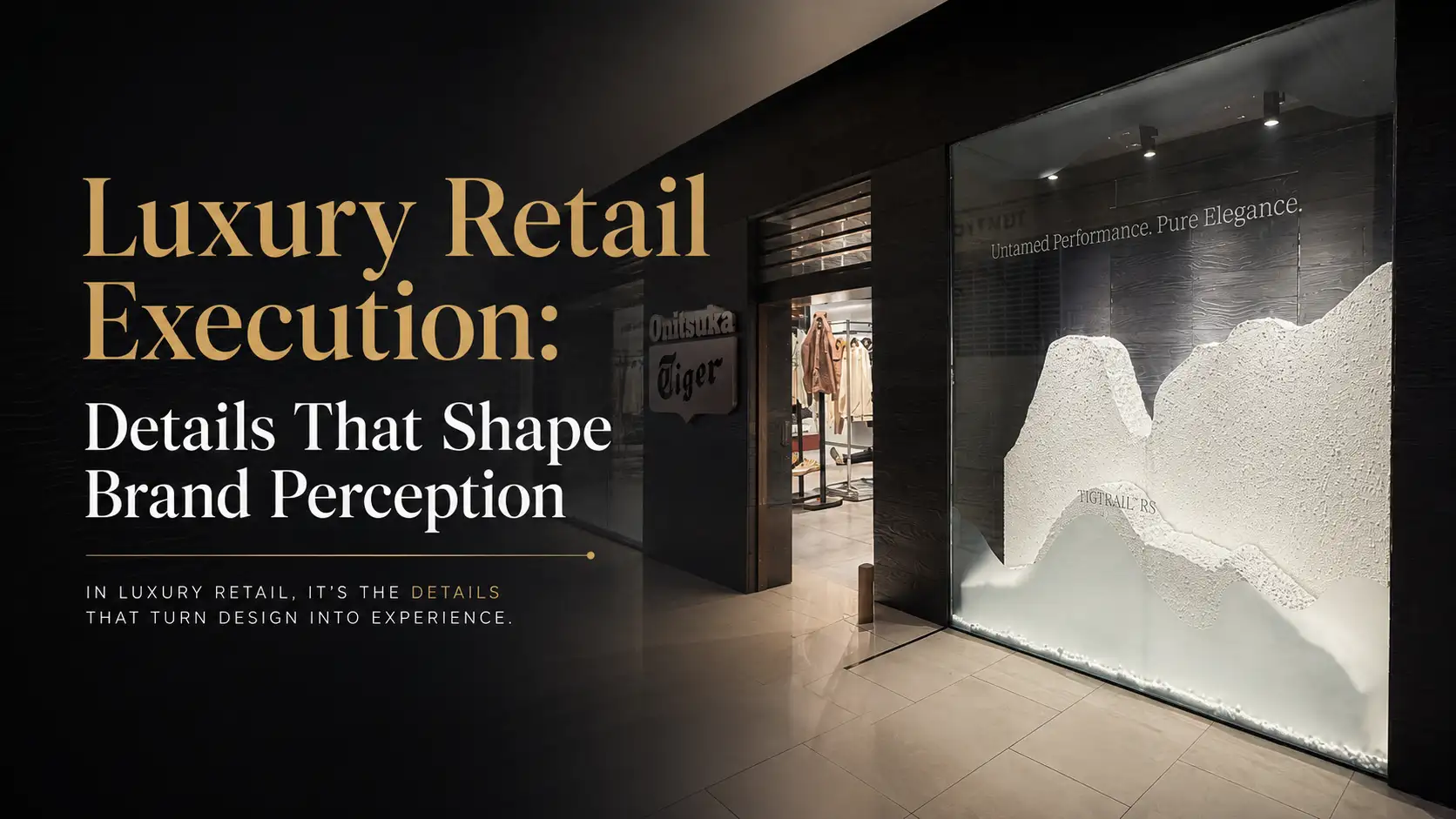
Customers passing by luxury stores rarely compliment the craftsmanship behind a window display. Instead, they simply feel that the brand is current, desirable, and worth exploring. That is the true purpose of Visual Merchandising. When executed successfully, customers don’t remember how the display was built—they remember how the brand made them feel.
At Golden Point, we believe every successful window display begins with one simple question: What story should the brand tell today?
Explore More with Golden Point
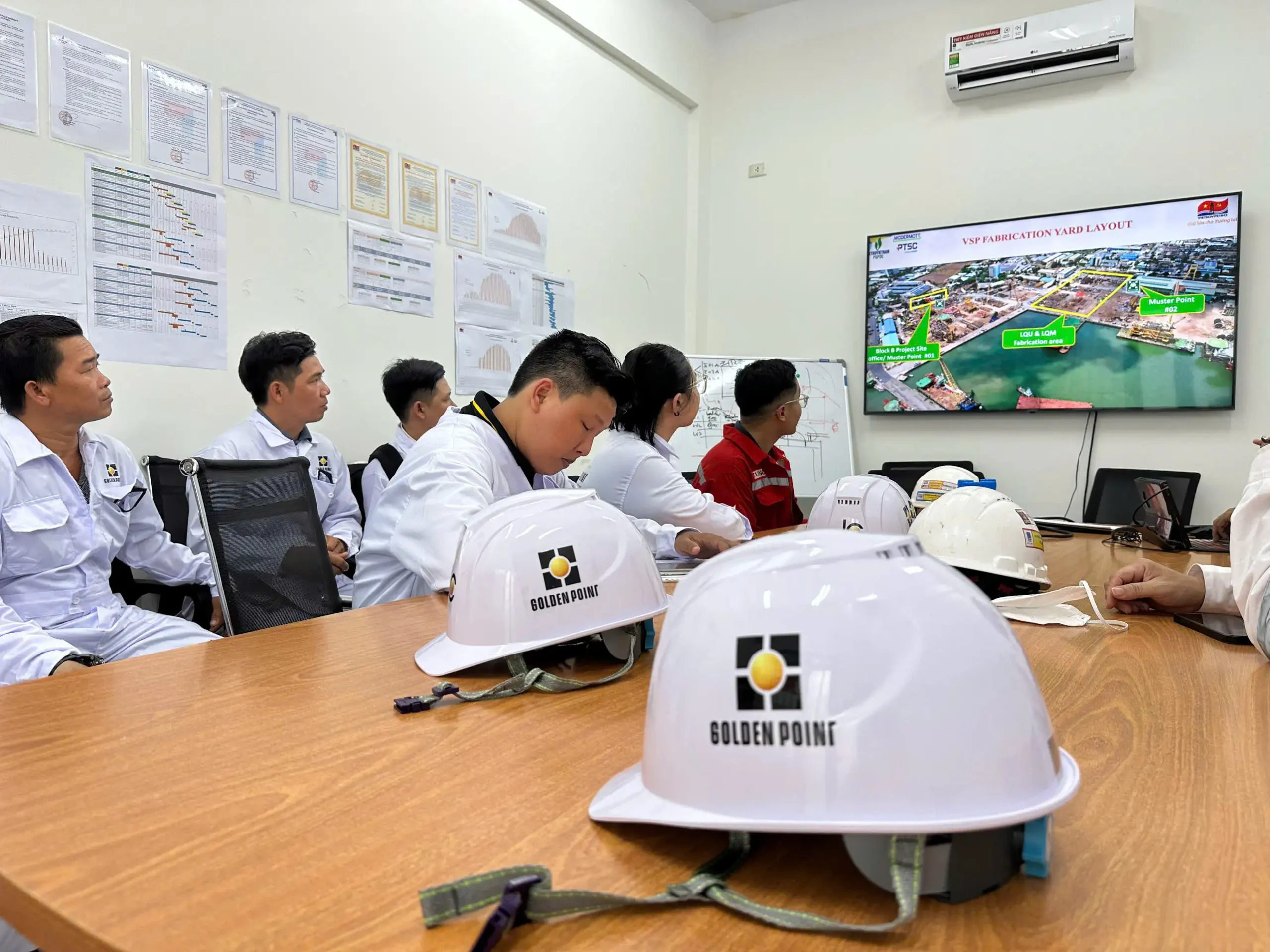
If you’re interested in discovering how thoughtful ideas become immersive brand experiences, explore Golden Point’s portfolio featuring projects across Luxury Retail, Visual Merchandising, Event Production, and Design & Build.
View Our Project Portfolio
https://www.goldenpointgroup.com.vn/projects
Behind every project is our in-house production facility, where we oversee every stage—from concept development and material selection to manufacturing, installation, and final execution—ensuring consistent quality throughout the entire process.
Explore Our In-house Production
https://www.goldenpointgroup.com.vn/production