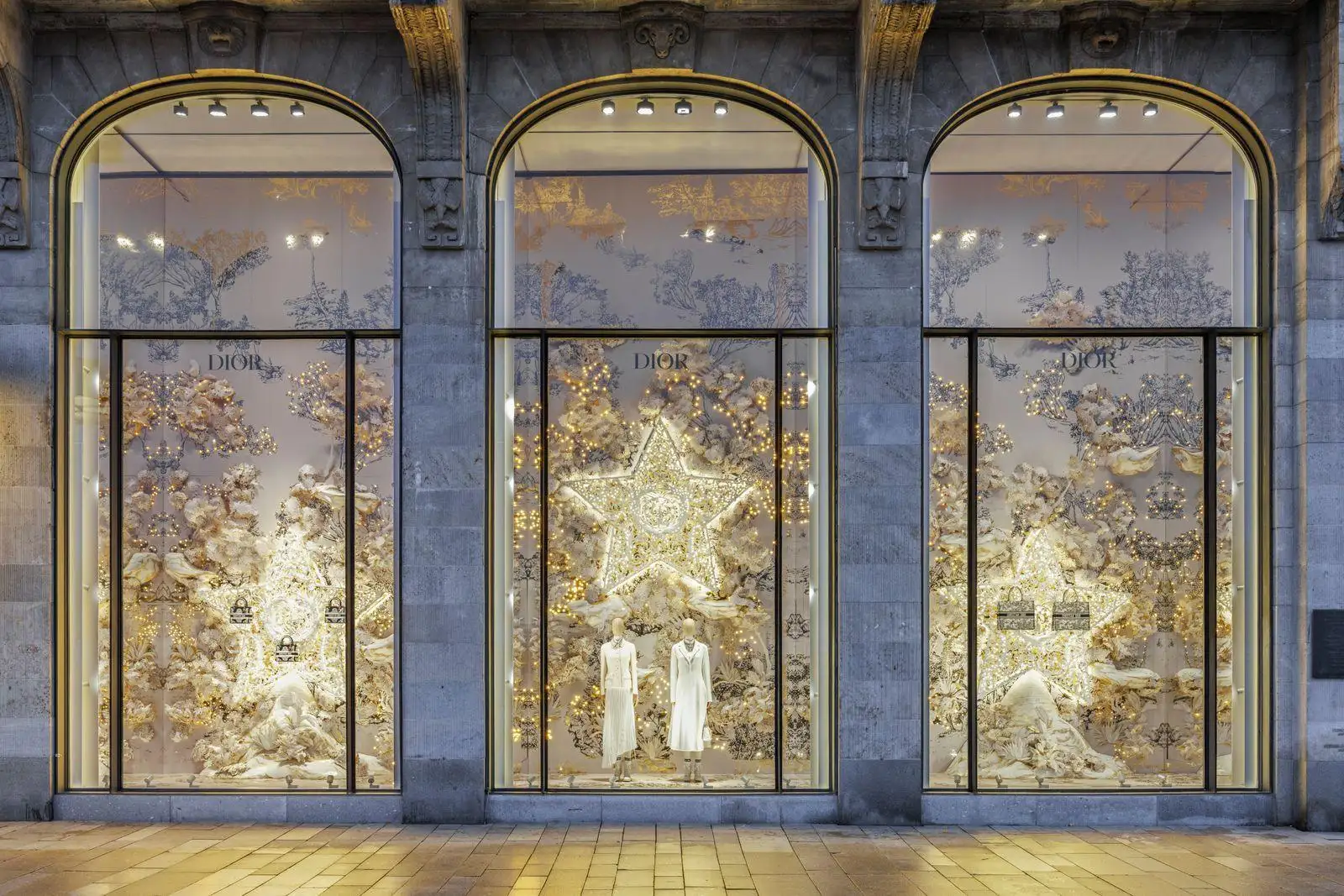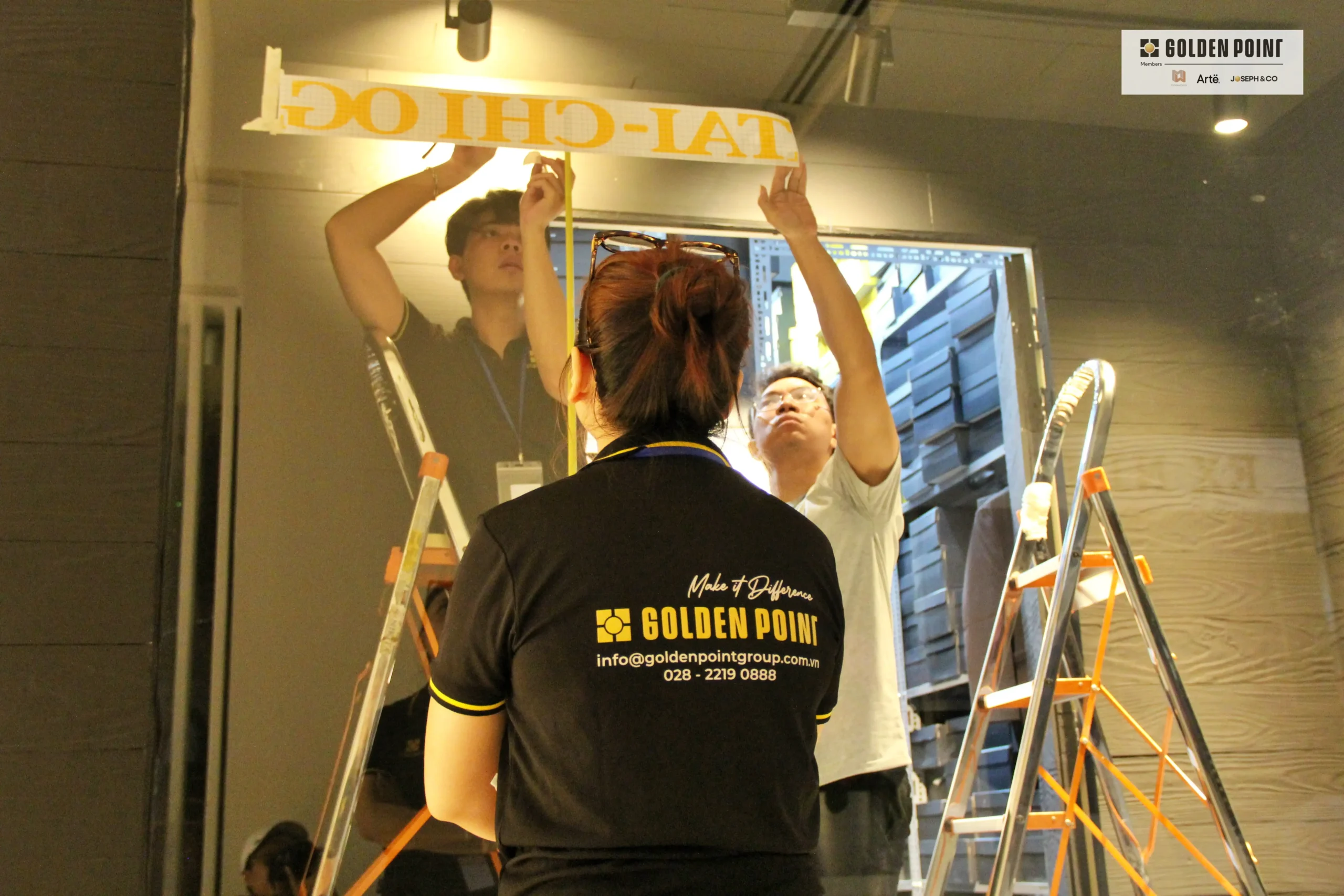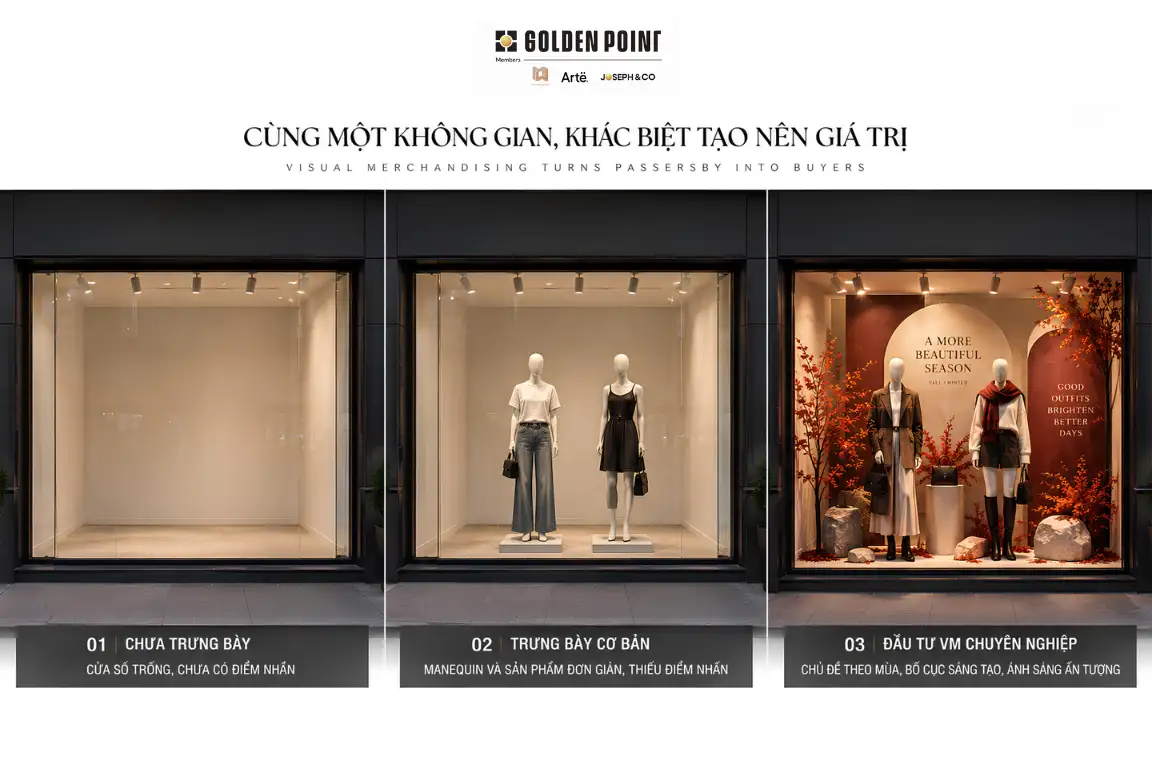
In retail, a beautifully executed display, POSM setup, or window display often shows customers only the final result. Behind that finished look, however, is a coordinated process involving the brand, design team, suppliers, production partners, and on-site installation crew.

An idea may look impressive on paper. But turning that concept into a physical display that reflects the brand’s identity and is ready before a store opening or campaign launch requires multiple elements to come together seamlessly.
So, what needs to be in place before a retail display is ready to go live?
1. It All Starts with a Clear Brief
Before design or production begins, everyone involved needs to have a shared understanding of the project’s objectives.
What is the retail display intended to achieve? Is it designed to attract attention from outside the store, introduce a new product, support a seasonal campaign, or strengthen brand visibility at the point of sale?
Each objective calls for a different approach to creative direction, layout, materials, lighting, and execution.
A well-prepared brief should clearly outline:
- The campaign’s communication objectives and key message.
- The target audience the brand wants to reach.
- Visual references, creative concepts, and brand identity requirements.
- The scope of work and responsibilities of each party.
- Estimated budget, production schedule, and installation date.
- Technical requirements, finishing standards, and approval procedures.

In practice, many project issues do not come from a lack of expertise, but from different parties interpreting the initial requirements differently.
For example, a brand may request a decorative element with a striking lighting effect without specifying the required brightness, power source, cable routing, or installation conditions. If these details are only clarified after production has started, the project may incur additional costs and experience delays.
A clear brief does more than help the creative team understand the concept. It also provides a foundation for budget control, feasibility assessment, and minimizing last-minute revisions.
2. Site Survey: The Concept Must Work in the Real Space
Design drawings are often developed under ideal conditions. But when a project moves into an actual retail store, shopping mall, or display area, site conditions can be significantly different. That is why a site survey should never be overlooked.
The execution team needs to assess key factors such as:
- Actual dimensions of the display area.
- Height, width, depth, and spatial limitations.
- Existing structures, installation surfaces, and load-bearing capacity.
- Power sources, lighting systems, and cable routing locations.
- Material access routes, entrance dimensions, and delivery conditions.
- Site regulations, permitted working hours, and safety requirements.
A component may fit perfectly on a drawing but fail to pass through the delivery entrance. A decorative structure may meet the specified dimensions but conflict with existing building systems.
These issues are often only identified through a thorough site survey.
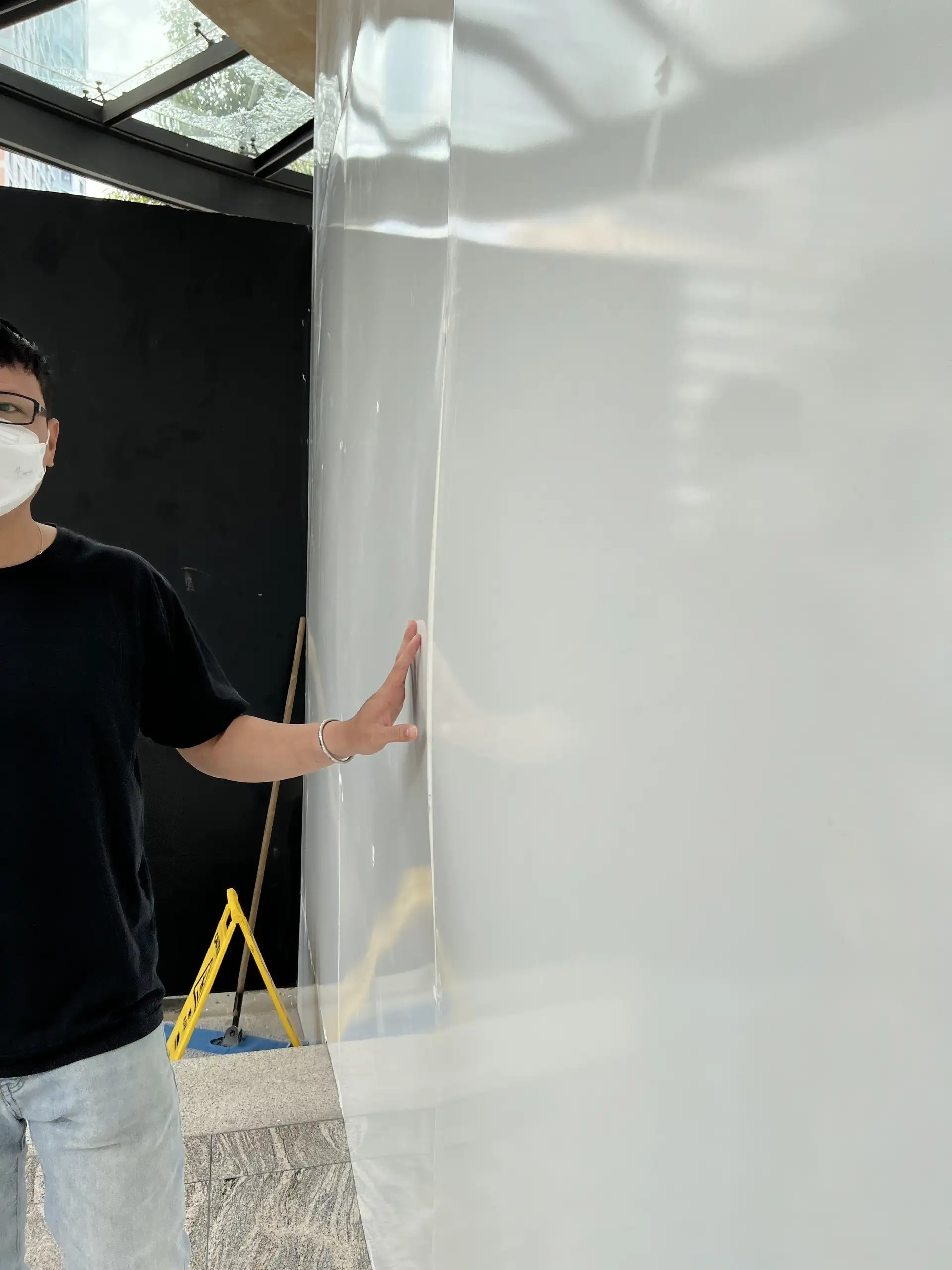
For stores that remain open during installation, the work must also minimize disruption to customers, employees, and daily business operations. For retail spaces inside shopping malls, the installation team may need to follow designated working hours, staff registration procedures, and specific inspection or handover requirements.
A site survey is about more than taking measurements. It is the process of turning a visually appealing concept into a solution that can actually be executed under real-world conditions.
3. Design & Solution Development: Looking Good Is Not Enough
Once the project objectives and site conditions are established, the design team can move forward with a more detailed execution plan. At this stage, design documentation should do more than communicate the overall look. It must also help every team involved understand how the project will be built and installed.
Depending on the project’s scale and requirements, the documentation may include:
- 2D layout drawings and dimensions.
- 3D renderings and visual simulations.
- Structural details and assembly methods.
- Material specifications, colors, and surface finishes.
- Lighting, electrical, and equipment requirements.
- Transportation plans, component breakdowns, and on-site installation methods.
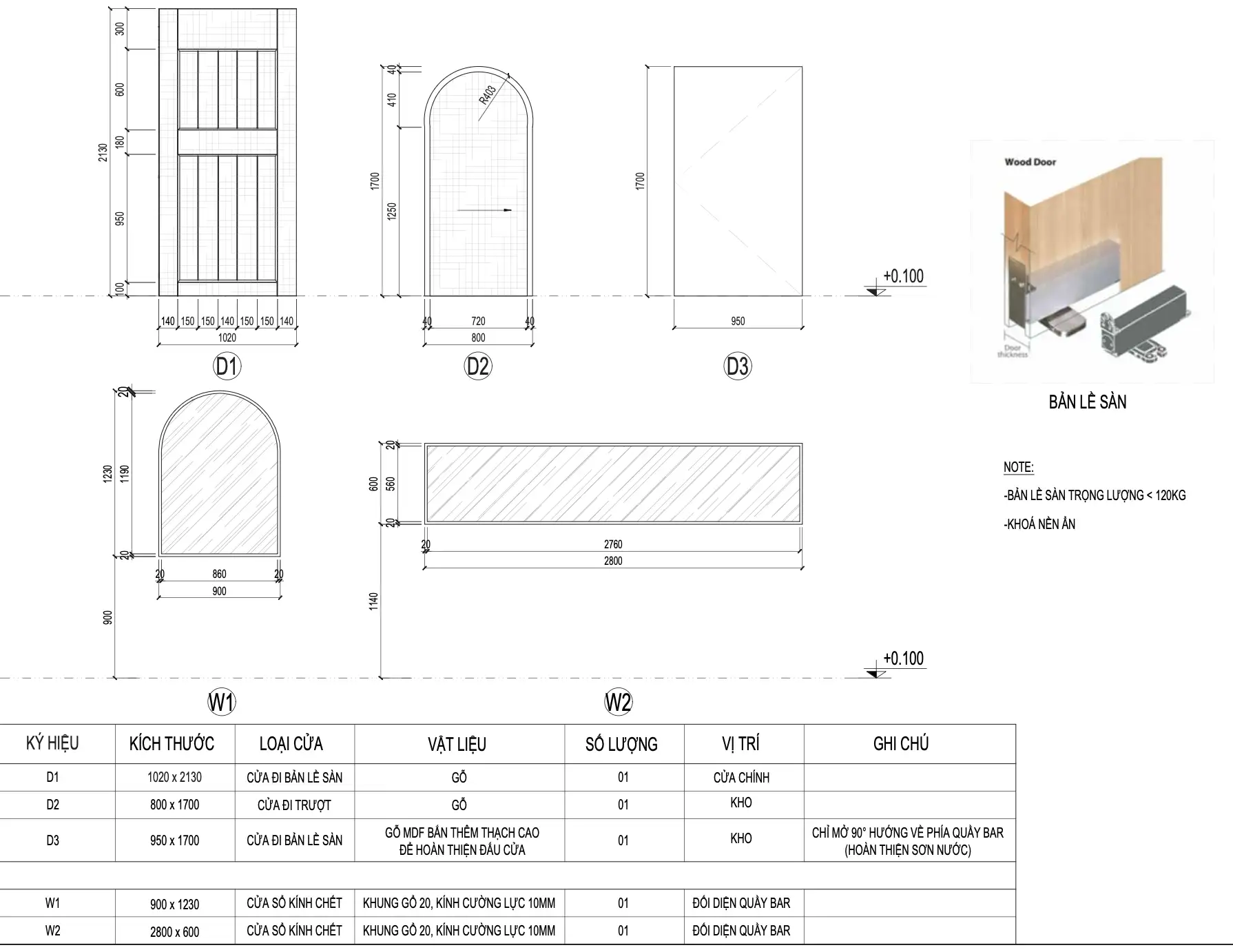
For VM projects in particular, maintaining the original design intent is essential. Colors, proportions, materials, and product placement all influence how customers perceive a brand. At the same time, the design must balance creative ambition with production capabilities, project timelines, and budget constraints. A highly complex detail may create a strong visual impact, but it could also be difficult to transport, assemble, or maintain.
That is why early coordination between design, production, and installation teams is important. It allows potential issues to be identified and resolved before they become on-site problems.
A good design should not only answer the question, “What will it look like?” It should also answer, “How will it be produced, transported, and installed?”
4. Materials & Production: Quality Lives in the Details You Don’t Always See
Once the design direction has been approved, the project moves into material preparation and production. For retail displays, POSM, and window displays, material options can vary widely, including wood, metal, acrylic, glass, fabric, decals, printed graphics, LED lighting systems, and various accessories. Each material choice affects the final appearance, durability, weight, transportation requirements, and installation method.
During preparation and production, key quality control points may include:
- Color accuracy and surface finishes matching approved samples.
- Dimensions, quantities, and precision of individual components.
- Structural stability and connection points.
- Print quality, color consistency, and brand details.
- Functionality of lighting, screens, and related equipment.
- Safe disassembly, packaging, and transportation.
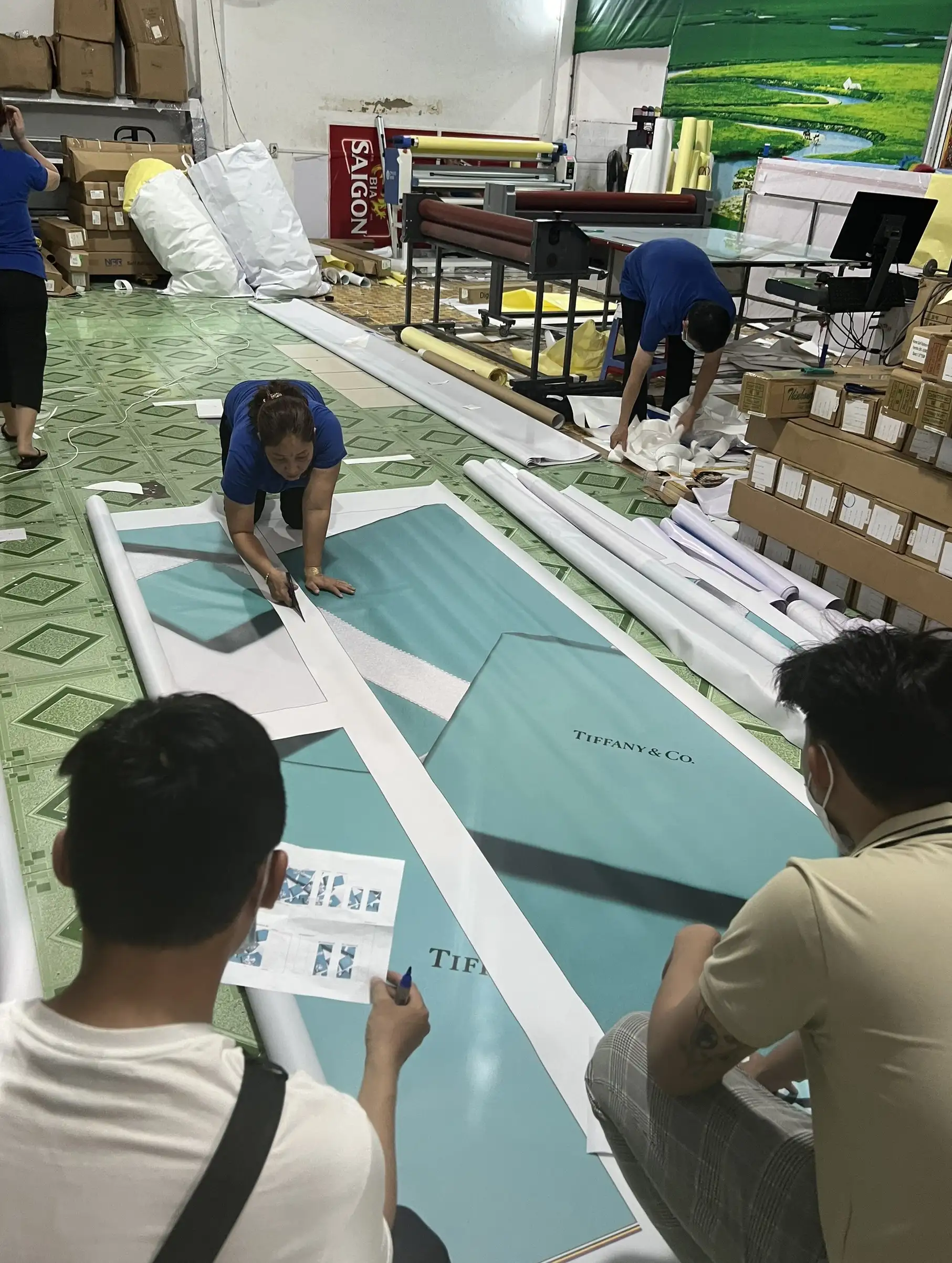
For campaigns rolling out across multiple retail locations, consistency becomes even more important. A POSM set may be produced in several batches or sourced from multiple suppliers. Without shared specifications and proper quality control procedures, differences in color, dimensions, or finishing quality can affect the brand’s overall presentation.
Not every project is manufactured entirely at one location, either.
In some cases, the brand supplies fully fabricated components that are shipped to a local market, where the local execution partner receives and installs them. In these situations, aligning the component checklist, packaging method, assembly instructions, and incoming inspection requirements helps ensure a smoother installation process.
The quality of a display depends not only on the materials selected, but also on how every component is produced, inspected, and prepared for the next stage.
5. Transportation & Receiving: One Small Step Can Affect the Entire Schedule
Once production or preparation is complete, all components need to be packed and transported to the installation site. This stage rarely appears in the final project photos, but it has a direct impact on installation readiness. For oversized items, delicate surfaces, or complex structures, packaging must be appropriate for the specific characteristics of each material. Components should also be labeled, sorted, and checked against the delivery checklist to make receiving and inspection easier.
Depending on the project scope, the receiving team may need to:
- Count all items and verify them against the delivery list.
- Inspect the external condition of packages and individual components.
- Document any damage, missing items, or discrepancies.
- Sort and organize components according to the installation sequence.
- Confirm technical instructions, drawings, and requirements from the brand or manufacturer.
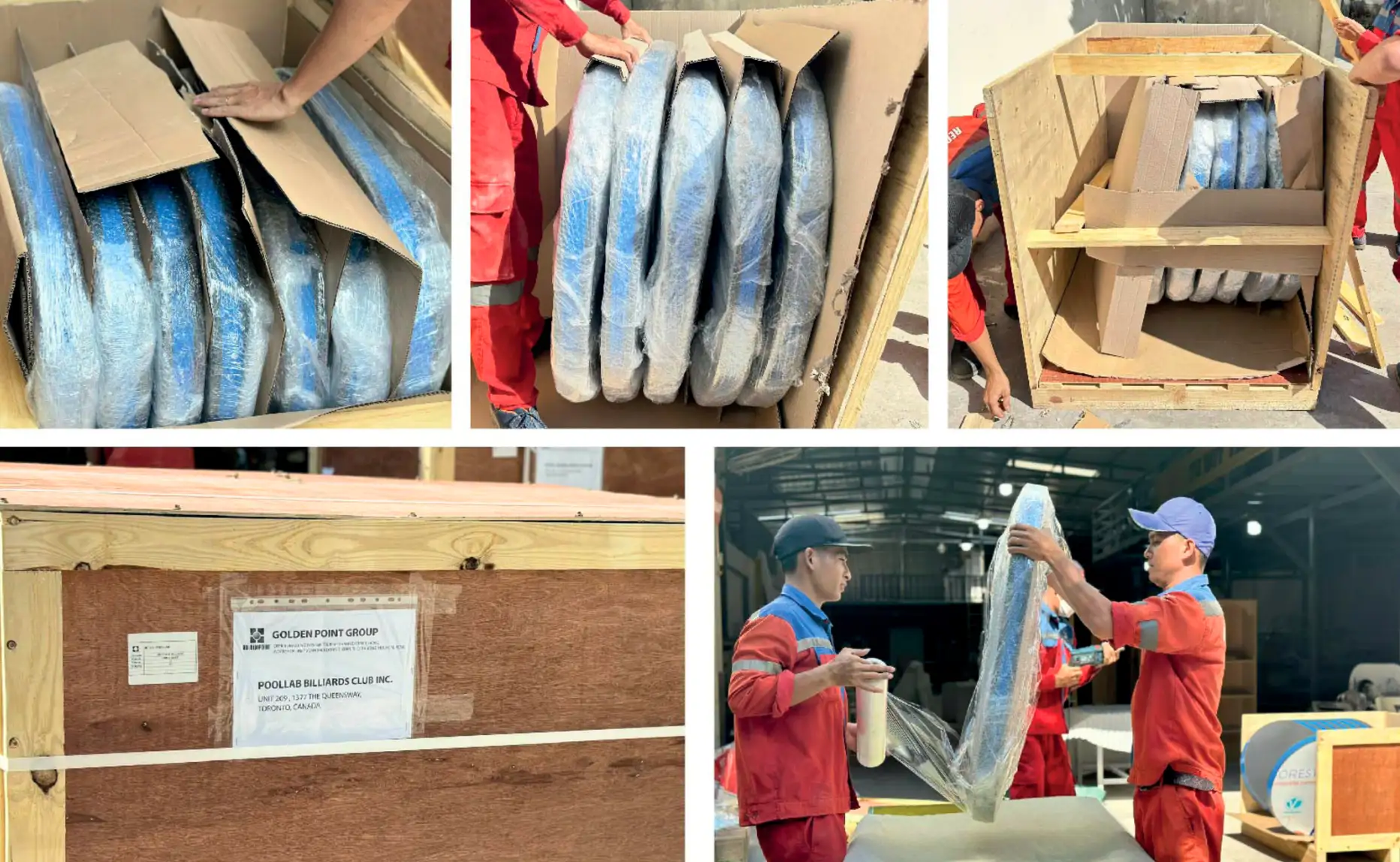
When components are manufactured in one country and shipped to another for installation, coordination between the brand, logistics provider, and local execution team becomes even more critical. A delayed shipment, a missing component, or an unclear assembly instruction can affect the entire installation schedule. For projects with tight turnaround times, waiting for replacement materials may force the team to adjust working hours or revise the installation plan.
Having materials delivered to the site does not automatically mean the project is ready for installation. Receiving, inspecting, and organizing components are equally important parts of the execution process.
6. Installation & Handover: Bringing Individual Components Together into a Complete Experience
Installation is where all the preparation comes together to create the finished display. On-site, the installation crew needs to coordinate the placement of each component, assemble the structure according to the approved plan, and address any technical issues that arise within the agreed scope.
An effective installation process typically requires:
- A clear installation schedule and defined responsibilities.
- The right crew, tools, auxiliary materials, and equipment.
- Access to drawings, assembly instructions, and key contact information.
- Proper safety controls throughout the installation process.
- Inspection of dimensions, positioning, structural stability, and finishing quality.
- Testing of lighting, screens, and related equipment, where applicable.
- Site cleaning and final detailing before handover.

After installation, the finished display must be checked against the approved design and the project’s acceptance criteria. Any outstanding issues should be documented, resolved, and rechecked before handover.
For stores that remain operational, completing the installation on schedule also helps minimize disruption to retail activities. For product launches and seasonal campaigns, timing is especially critical. The display must be ready in line with the brand’s marketing and communication schedule. A display is only truly complete when it not only looks right according to the approved design, but also meets the required standards for quality, safety, and functionality in the actual retail environment.
Installation is more than putting individual components in place. It is the process of ensuring that the original concept is delivered as intended and is ready to serve the brand’s objectives.
7. Before Go-Live: The Final Checks That Matter
Even when a display looks visually complete, a final inspection is still necessary before it officially goes live.
Depending on the type of display, the final checklist may include:
- Does the overall display match the approved design?
- Are products, logos, and brand elements positioned correctly?
- Do colors, lighting, and surface finishes meet the required standards?
- Are all components secure, safe, and clear of customer pathways?
- Are electrical systems, screens, and lighting functioning properly?
- Has the installation area been cleaned and handed over?
- Have all outstanding issues been resolved or properly documented?
- Have the relevant stakeholders confirmed that the display is ready to go live?

A final inspection helps prevent small issues that could affect the overall customer experience, such as misaligned components, visible installation marks, or uneven lighting. It also gives all parties an opportunity to confirm that the project has been completed within the agreed scope and that all necessary information for ongoing operation has been handed over.
Conclusion: A Successful Display Starts Long Before Installation Day
A beautiful retail display is the result customers see. But achieving that result requires a coordinated process that begins with the brief and continues through site surveys, design, material selection, production, transportation, installation, and final acceptance.

Each stage plays a specific role, but none operates independently.
An unclear decision at the briefing stage can become a production issue. A component that goes unchecked during receiving can disrupt installation. An unsuitable installation plan can affect the launch date of an entire campaign. Proper preparation does more than minimize errors and keep the project on schedule. More importantly, it ensures that the brand’s creative vision is translated into a consistent, real-world experience at the point of sale.
At Golden Point Group, we see retail execution as a coordinated process that brings together design, production, project management, and on-site implementation.
Because a display should not only look great when finished. It should also be planned, prepared, and executed the right way — so it is ready when the brand needs it.
Explore Golden Point’s projects: [View Our Projects]
Discover Golden Point’s in-house production capabilities: [View Our Workshop]
Golden Point Group — From Concept to Execution.